
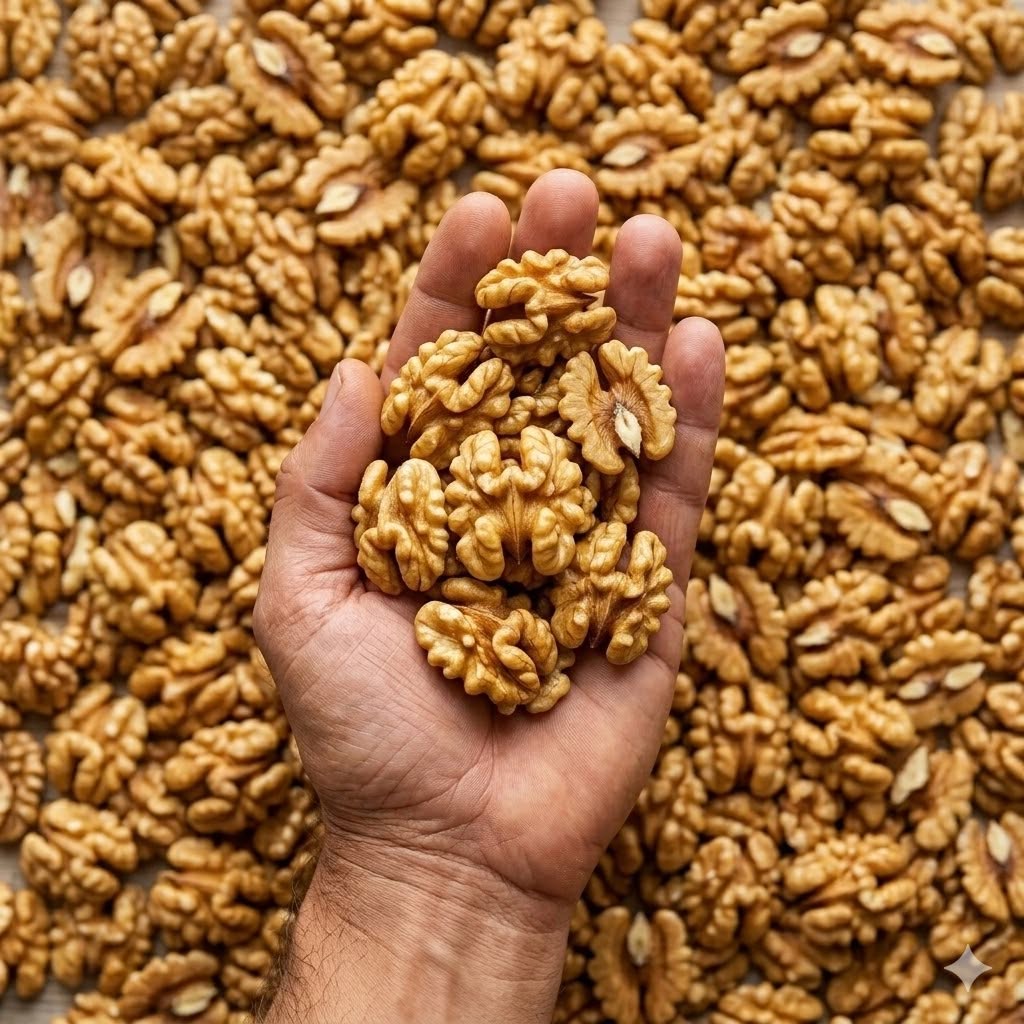
Walnuts Are Packed With Antioxidants
One of the most impressive features of walnuts is their extremely high antioxidant content.
Most nuts contain beneficial polyphenols, but walnuts stand out among them. Scientific research has found that walnuts are one of the richest dietary sources of these powerful compounds.
Polyphenols help protect the body from oxidative stress, which occurs when unstable molecules called free radicals damage cells. Over time, oxidative stress can contribute to chronic diseases such as heart disease, cancer, and neurodegenerative disorders.
Because of their high antioxidant levels, even consuming two or three walnuts per day may help protect the body against cellular damage and inflammation.
A Rich Source of Omega-3 Fatty Acids
Walnuts are one of the best plant-based sources of omega-3 fatty acids. In fact, a one-ounce serving provides about 2.5 grams of omega-3s.
These fats include alpha-linolenic acid (ALA), a type of omega-3 that plays a key role in supporting heart health and reducing inflammation.
Research has shown that walnuts contain more omega-3 fatty acids than most other nuts. Regular consumption of ALA-rich foods has been associated with a lower risk of cardiovascular disease.
Studies have also found that eating walnuts regularly can increase beneficial fatty acid levels in the bloodstream, which may help support healthy cholesterol levels and reduce the risk of heart problems.
Why Walnuts Stand Out Among Other Nuts
When scientists compare different types of nuts, walnuts often come out on top in terms of antioxidant power.
Research conducted by Dr. Joe Vinson from the University of Scranton analyzed several popular nuts, including almonds, pistachios, pecans, cashews, Brazil nuts, hazelnuts, and macadamia nuts.
The results showed that walnuts contained the highest levels of antioxidants among the nuts tested. In fact, their antioxidant activity was found to be significantly stronger than that of vitamin E, which is widely known as a powerful antioxidant.
Because antioxidants help neutralize free radicals in the body, foods rich in these compounds may help protect against serious diseases and support long-term health.
Walnuts vs. Almonds
Almonds are also considered a healthy nut, but walnuts offer several unique nutritional advantages.
For example, walnuts contain dramatically higher levels of omega-3 fatty acids compared to almonds. While almonds provide only small amounts of omega-3s, walnuts deliver over 2,500 mg per ounce.
Almonds do contain more vitamin E, but walnuts provide higher amounts of certain minerals and antioxidants. Because of this, many nutrition experts recommend including both nuts in a balanced diet.
How Many Walnuts Should You Eat Each Day?
You do not need to eat large amounts of walnuts to experience their benefits. Many experts recommend consuming about 7 walnut halves per day to obtain their key nutrients and antioxidants.
Walnuts are best eaten raw because roasting can sometimes reduce the levels of heat-sensitive nutrients. Some people also prefer soaking walnuts overnight before eating them, which may improve digestion and nutrient absorption.
Another important tip is to eat walnuts together with their thin brown skin, as this part contains many of the nut’s powerful antioxidants.
Major Health Benefits of Eating Walnuts
Regularly consuming walnuts may provide a wide range of health benefits.
1. Supports Brain Health
Walnuts contain nutrients and antioxidants that help reduce inflammation in brain tissue. Because their shape resembles the human brain, walnuts are often associated with cognitive health.
Studies suggest that eating walnuts may help protect against age-related cognitive decline and support memory and learning ability.
2. May Improve Mood
Some research suggests that walnuts may also influence mood and emotional well-being. Diets rich in nuts, vegetables, and seeds have been associated with improved mental health and reduced symptoms of depression.
3. Promotes Heart Health
Walnuts are widely known for their heart-protective properties. The combination of omega-3 fatty acids, polyphenols, and fiber can help reduce cholesterol levels and improve blood vessel function.
Regular walnut consumption may also help lower the risk of coronary heart disease.
4. Helps Regulate Blood Pressure
Walnuts contain magnesium, potassium, and natural compounds such as melatonin that may help regulate blood pressure. These nutrients support healthy circulation and may help reduce hypertension.
5. Supports Digestive Health
Walnuts may also improve gut health by promoting beneficial bacteria in the digestive system. A balanced gut microbiome plays an important role in immunity, digestion, and overall health.
6. May Help With Weight Management
Although walnuts are relatively high in calories, studies suggest they may support weight control when consumed in moderation. Their combination of protein, fiber, and healthy fats helps promote satiety and reduce overeating.
7. Helps Manage Blood Sugar Levels
Walnuts may also be beneficial for individuals with diabetes or those at risk of developing the condition. Some research suggests that regular walnut consumption may improve blood glucose control and metabolic health.
Benefits for Skin and Hair
The vitamins, minerals, and antioxidants found in walnuts can also contribute to healthy skin and hair.
These nutrients help protect skin cells from oxidative damage and may slow visible signs of aging. Minerals such as selenium, zinc, and copper also support scalp health and promote strong, shiny hair.
Walnut oil can even be applied externally to moisturize the scalp and improve hair texture.
Possible Side Effects
Walnuts are safe and healthy for most people when eaten in moderate amounts. However, individuals with tree nut allergies should avoid them, as allergic reactions can occur.
As with any calorie-dense food, portion control is also important.
How to Choose and Store Walnuts
When purchasing whole walnuts, choose nuts that feel heavy for their size and have intact shells. Avoid walnuts with cracks or signs of mold.
Shelled walnuts should look plump and fresh rather than dry or shriveled. If possible, smell them before buying to ensure they are not rancid.
To keep walnuts fresh:
Store shelled walnuts in an airtight container in the refrigerator
They can stay fresh for up to six months
Walnuts can also be frozen and stored for up to one year
Because walnuts contain delicate polyunsaturated fats, proper storage is essential to maintain their freshness and nutritional value.
 Conclusion
Walnuts are one of the most nutrient-dense nuts you can include in your diet. They provide a powerful combination of antioxidants, omega-3 fatty acids, vitamins, and minerals that support brain function, heart health, digestion, and overall well-being.
Adding just a small handful of walnuts to your daily meals—whether in salads, oatmeal, yogurt, or smoothies—can be a simple yet effective way to improve your nutrition and protect your long-term health.
